Buy highsupply.eu ?
We are moving the project
highsupply.eu .
Are you interested in purchasing the domain
highsupply.eu ?
domain@kv-gmbh.de · 0541-91531010
Buy highsupply.eu ?
What is genetic linkage 2?
Genetic linkage 2 refers to the phenomenon where two genes are located close to each other on the same chromosome, resulting in a higher likelihood of them being inherited together. This means that these genes are less likely to undergo independent assortment during meiosis. Genetic linkage 2 can be measured by the frequency of recombination events between the two genes, with a lower frequency indicating stronger linkage. This concept is important in genetic studies as it can help determine the relative positions of genes on a chromosome and can be used to create genetic maps. **
Can you explain linkage in genetics?
Linkage in genetics refers to the tendency of genes that are located close to each other on a chromosome to be inherited together. This is because these genes are physically linked and are less likely to be separated during the process of genetic recombination. The closer two genes are on a chromosome, the lower the chance that they will be separated by crossing over events during meiosis. Linkage can be used to map the relative positions of genes on a chromosome and is an important concept in understanding inheritance patterns. **


Similar search terms for Linkage
Top-Angebote
Products related to Linkage:
-
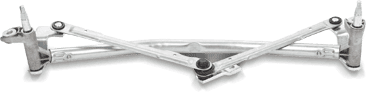
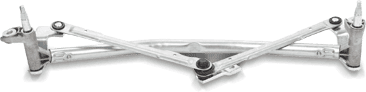
AIC 52809 Wiper LinkageSupplementary Article / Supplementary Info: with base carriers, without electric motor; Fitting Position: Front; Left-/right-hand drive vehicles: for left-hand drive vehicles; Guarantee: 5 years guarantee or up to 75,000km170,99 £*Shipping: 1,99 £Secure redirect to the provider


-
What tools, materials, and equipment do teachers work with?
Teachers work with a variety of tools, materials, and equipment in their daily work. Some common tools include whiteboards, markers, and projectors for delivering lessons. Materials such as textbooks, worksheets, and manipulatives are used to support student learning. Equipment like computers, printers, and audio-visual devices are also essential for creating engaging lessons and activities. Overall, teachers rely on a combination of traditional and modern tools to effectively educate their students. **
-
How to draw trehalose in a 2-11 glycosidic linkage?
To draw trehalose in a 2-11 glycosidic linkage, start by drawing two glucose molecules. Connect the first glucose molecule's carbon 2 to the second glucose molecule's carbon 1 with a glycosidic bond. This linkage represents the 2-1 glycosidic bond. Next, add another glucose molecule and connect its carbon 1 to the second glucose molecule's carbon 1 with a glycosidic bond. This linkage represents the 1-1 glycosidic bond. This structure represents trehalose in a 2-1,1 glycosidic linkage. **
-
With which work tools, materials, and equipment do teachers work?
Teachers work with a variety of tools, materials, and equipment in their daily tasks. Some common tools include computers, projectors, whiteboards, and pens. Materials can range from textbooks and worksheets to art supplies and science equipment. Additionally, teachers may use equipment such as printers, laminators, and document cameras to enhance their teaching methods and create engaging learning experiences for students. **
-
What is the significance of crossing-over and linkage in genetics?
Crossing-over and linkage are important concepts in genetics because they both play a role in genetic diversity and inheritance patterns. Crossing-over during meiosis results in the exchange of genetic material between homologous chromosomes, leading to the creation of new combinations of alleles. This increases genetic variation within a population. Linkage refers to the tendency of genes located close together on the same chromosome to be inherited together. Understanding linkage helps researchers map the location of genes on chromosomes and study how traits are inherited together. **


How do you draw trehalose in a 2-11 glycosidic linkage?
To draw trehalose in a 2-11 glycosidic linkage, start by drawing two glucose molecules connected by an alpha-1,1 glycosidic bond. Then, draw another glucose molecule connected to the first glucose molecule in the pair by an alpha-1,2 glycosidic bond. This creates the 2-11 glycosidic linkage in trehalose. The resulting structure should show three glucose molecules connected in a linear fashion with the 2-11 glycosidic linkage between the first and third glucose molecules. **
How do I recognize gene linkage in a genetic cross diagram?
Gene linkage in a genetic cross diagram can be recognized when two or more genes are inherited together more frequently than what would be expected based on independent assortment. This is because linked genes are located close to each other on the same chromosome and tend to be inherited together. In a genetic cross diagram, you may notice that certain combinations of traits appear more frequently than others, indicating that those genes are linked. Additionally, if the offspring do not show the expected 9:3:3:1 phenotypic ratio, it could suggest gene linkage. **
Top-Angebote
Products related to Linkage:
-
AIC 52809 Wiper LinkageSupplementary Article / Supplementary Info: with base carriers, without electric motor; Fitting Position: Front; Left-/right-hand drive vehicles: for left-hand drive vehicles; Guarantee: 5 years guarantee or up to 75,000km170,99 £*Shipping: 1,99 £Secure redirect to the provider
-
What is genetic linkage 2?
Genetic linkage 2 refers to the phenomenon where two genes are located close to each other on the same chromosome, resulting in a higher likelihood of them being inherited together. This means that these genes are less likely to undergo independent assortment during meiosis. Genetic linkage 2 can be measured by the frequency of recombination events between the two genes, with a lower frequency indicating stronger linkage. This concept is important in genetic studies as it can help determine the relative positions of genes on a chromosome and can be used to create genetic maps. **
-
Can you explain linkage in genetics?
Linkage in genetics refers to the tendency of genes that are located close to each other on a chromosome to be inherited together. This is because these genes are physically linked and are less likely to be separated during the process of genetic recombination. The closer two genes are on a chromosome, the lower the chance that they will be separated by crossing over events during meiosis. Linkage can be used to map the relative positions of genes on a chromosome and is an important concept in understanding inheritance patterns. **
-
What tools, materials, and equipment do teachers work with?
Teachers work with a variety of tools, materials, and equipment in their daily work. Some common tools include whiteboards, markers, and projectors for delivering lessons. Materials such as textbooks, worksheets, and manipulatives are used to support student learning. Equipment like computers, printers, and audio-visual devices are also essential for creating engaging lessons and activities. Overall, teachers rely on a combination of traditional and modern tools to effectively educate their students. **
-
How to draw trehalose in a 2-11 glycosidic linkage?
To draw trehalose in a 2-11 glycosidic linkage, start by drawing two glucose molecules. Connect the first glucose molecule's carbon 2 to the second glucose molecule's carbon 1 with a glycosidic bond. This linkage represents the 2-1 glycosidic bond. Next, add another glucose molecule and connect its carbon 1 to the second glucose molecule's carbon 1 with a glycosidic bond. This linkage represents the 1-1 glycosidic bond. This structure represents trehalose in a 2-1,1 glycosidic linkage. **
Similar search terms for Linkage
-
AIC 56051 Wiper LinkageVehicle Equipment: for vehicles with counter-directional wiper arms; Supplementary Article / Supplementary Info: without electric motor; Left-/right-hand drive vehicles: for left-hand drive vehicles; Guarantee: 5 years guarantee or up to 75,000km; Fitting Position: Front Axle Left; Vehicle Identification Number (VIN) to: 1T-700 000; Construction Year to: 10/200621,99 £*Shipping: 8,45 £Secure redirect to the provider
-
With which work tools, materials, and equipment do teachers work?
Teachers work with a variety of tools, materials, and equipment in their daily tasks. Some common tools include computers, projectors, whiteboards, and pens. Materials can range from textbooks and worksheets to art supplies and science equipment. Additionally, teachers may use equipment such as printers, laminators, and document cameras to enhance their teaching methods and create engaging learning experiences for students. **
-
What is the significance of crossing-over and linkage in genetics?
Crossing-over and linkage are important concepts in genetics because they both play a role in genetic diversity and inheritance patterns. Crossing-over during meiosis results in the exchange of genetic material between homologous chromosomes, leading to the creation of new combinations of alleles. This increases genetic variation within a population. Linkage refers to the tendency of genes located close together on the same chromosome to be inherited together. Understanding linkage helps researchers map the location of genes on chromosomes and study how traits are inherited together. **
-
How do you draw trehalose in a 2-11 glycosidic linkage?
To draw trehalose in a 2-11 glycosidic linkage, start by drawing two glucose molecules connected by an alpha-1,1 glycosidic bond. Then, draw another glucose molecule connected to the first glucose molecule in the pair by an alpha-1,2 glycosidic bond. This creates the 2-11 glycosidic linkage in trehalose. The resulting structure should show three glucose molecules connected in a linear fashion with the 2-11 glycosidic linkage between the first and third glucose molecules. **
-
How do I recognize gene linkage in a genetic cross diagram?
Gene linkage in a genetic cross diagram can be recognized when two or more genes are inherited together more frequently than what would be expected based on independent assortment. This is because linked genes are located close to each other on the same chromosome and tend to be inherited together. In a genetic cross diagram, you may notice that certain combinations of traits appear more frequently than others, indicating that those genes are linked. Additionally, if the offspring do not show the expected 9:3:3:1 phenotypic ratio, it could suggest gene linkage. **
* All prices are inclusive of VAT and, if applicable, plus shipping costs. The offer information is based on the details provided by the respective shop and is updated through automated processes. Real-time updates do not occur, so deviations can occur in individual cases. ** Note: Parts of this content were created by AI.